How to Set Up PBLemulator: Complete Installation, Configuration & Update Guide (2025)
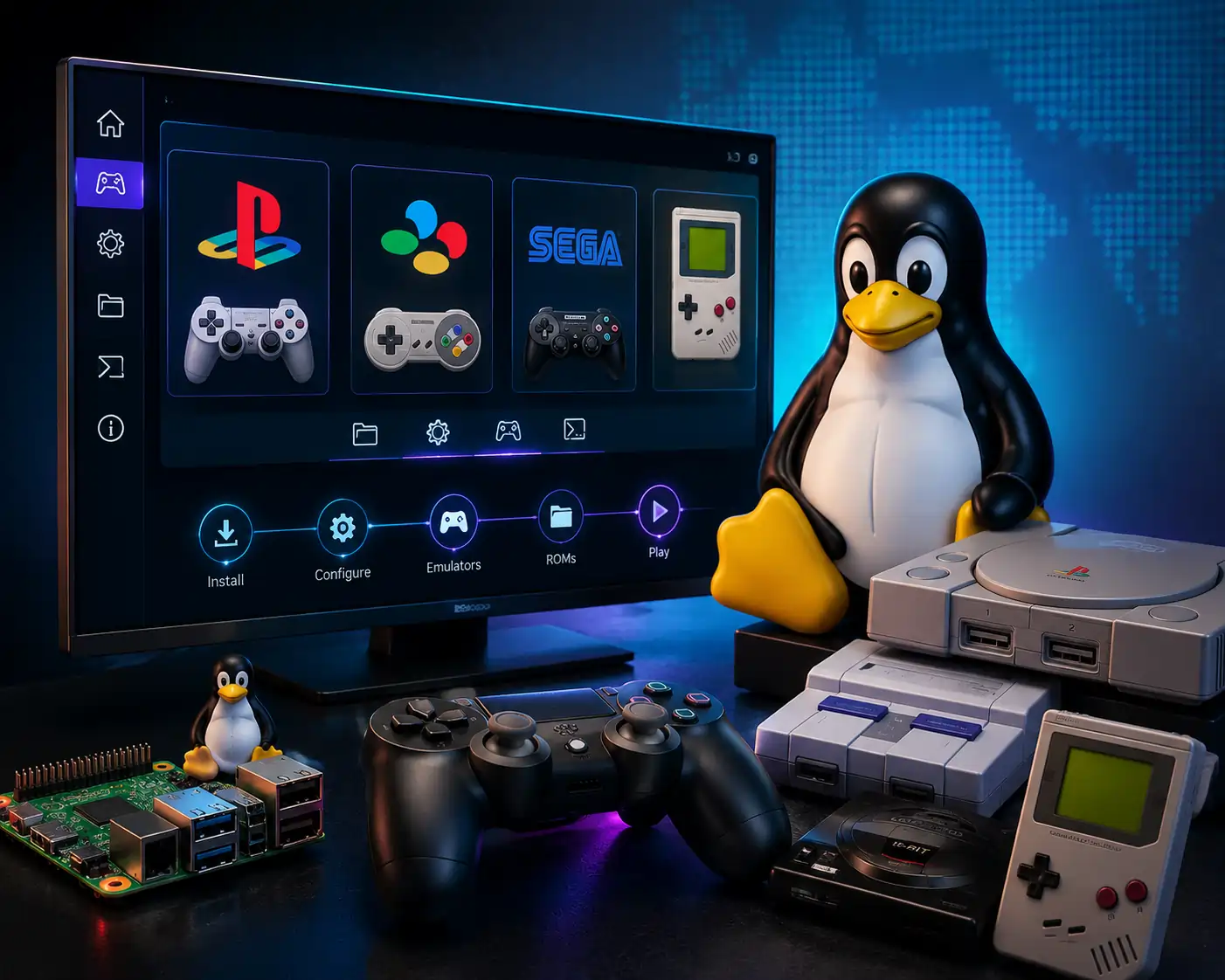
Have you ever wished you could relive classic retro games on your Linux computer without buying old hardware? That is exactly what pblemulator makes possible. Developed and maintained by the passionate team at PlugboxLinux, this lightweight, script-based tool brings powerful emulation to every Linux user. Whether you are a first-timer or a seasoned tinkerer, this guide walks you through everything — installation, setup, mods, upgrades, and the very latest updates.
What Is PBLemulator and Why Should You Care?
Pblemulator is not your average gaming emulator. It works as a smart utility wrapper — a central command hub that organizes, configures, and launches multiple emulators from one clean interface. The PlugboxLinux team built it around three powerful ideas: speed, modularity, and full transparency. You can always see exactly what the tool is doing, which makes troubleshooting simple. It is community-tested, open-source, and trusted by thousands of Linux gamers around the world.
Why Linux Gamers Are Choosing This Tool
Gaming on Linux used to feel like a punishment. Installing drivers, battling dependencies, and wrestling with compatibility took real time and patience. The arrival of pblemulator changed all of that. It handles the difficult parts automatically, giving you a single, reliable layer that manages everything from PlayStation classics to SNES titles. Best of all, it does this without hogging your system resources — even older machines benefit immediately from its shell-based, low-overhead design.
How to Install PBLemulator: A Clean Step-by-Step Process
Learning how to install pblemulator correctly is your most important first step. Always begin with a fresh PlugboxLinux installation to prevent dependency conflicts. Open your terminal and clone the official repository directly — never use third-party installers, as they introduce errors and outdated files. The official setup script handles all dependency resolution for you automatically.
Run these three commands to get started:
git clone [Official-PBLEmulator-Repo]
cd pblemulator
chmod +x setup.sh && ./setup.sh
The compilation is fast. Most users are ready to launch their first game within just a few minutes of starting. The clean, version-controlled structure also means you can reverse the installation completely if you ever need to start over, with zero leftover system clutter from the process.
How to Set Up PBLemulator the Right Way
Getting the proper set up for pblemulator right from the very beginning saves you hours of frustration later. After installation, take your time to configure input devices and map every controller button carefully before loading any games. The config files are plain text — simple to read and easy to edit even for beginners. Set your ROM folder paths, choose your preferred emulator cores for each system, and run a quick test launch to confirm everything is working correctly.
PBLemulator Mods: Take Your Experience Further
One of the biggest strengths of this tool is its vibrant modding community. Users across the PlugboxLinux ecosystem actively share custom launchers, visual overlay hacks, cheat engine hooks, and creative input layout presets through the official GitHub repository. These pblemulator mods let you reshape the default experience into something that feels uniquely yours. Whether you want sharper visual filters, automatic cheat activation, or multi-controller profiles, the community has almost certainly already built it for you.
Top Tips and Tricks PBLemulator from PlugboxLinux
The best tips and tricks pblemulator veterans from the PlugboxLinux community share all circle back to one smart principle: work smarter, not harder. Here are the most valuable habits to build from day one:
- Use version control from the start. Keep your entire setup in a git repository so rolling back after a bad update takes just one command.
- Organize your ROM library before you launch. Labeled folders by console make navigation fast and keep the tool’s auto-detection working properly.
- Write shell scripts for your favorite games. Automating frequent launches saves time every single day and reduces repetitive manual configuration steps.
- Store your ROMs on an SSD. Load times drop noticeably — this is one of the simplest improvements most beginners overlook completely.
- Plug in your gamepad before launching. Recent updates recognize most modern controllers automatically, so you spend less time mapping and more time playing.
PBLemulator Upgrades: What Has Improved Recently
The latest pblemulator upgrades from the PlugboxLinux development team have been genuinely impressive. Recent versions focused on faster startup times, reduced CPU strain during emulation, and significantly better support for newer Linux kernels. The tool now automatically detects your system hardware and fine-tunes performance settings without requiring you to touch a single config file manually. Users playing PlayStation classics and SNES titles have reported visibly smoother frame rates and shorter loading screens since the most recent major release.
How to Update PBLemulator Without Breaking Your Setup
Knowing how to update pblemulator safely matters just as much as knowing how to install it. Since the project uses a proper version-controlled repository, every update is both transparent and reversible. Before pulling any new version, always back up your config files first — this one habit protects your custom settings no matter what happens. Pull the latest commit, read the changelog carefully for any breaking changes, and test performance before committing fully to the new version.
PBLemulator Updates by PlugboxLinux: What Makes Them Different
The pblemulator updates by PlugboxLinux stand out from typical software patches because they are community-driven and real-world tested before release. Every fix targets an actual problem reported by actual daily users — no theoretical patches, no marketing fluff. Recent updates improved internal buffer management so efficiently that some power users measured up to 40% faster processing on large file operations. The team also shipped automatic gamepad recognition, which now works correctly for most controllers right out of the box.
PBLemulator Release Date and How the Project Evolved
The pblemulator release date traces back to a small experimental script project started within the PlugboxLinux community. Over several development cycles, fueled by consistent community feedback and open-source contributions, it grew into the full-featured emulation utility it is today. Each stable release arrives with a thorough, readable changelog so users always know exactly what changed and why. The team follows a firm stability-first philosophy — nothing ships until it has been tested on multiple real hardware configurations by real people.
Does PBLemulator Work on Old or Budget Hardware?
This is one of the most common questions from newcomers, and the answer is a confident yes. The emulator was designed from the ground up with portability in mind. Raspberry Pi boards, decade-old laptops, and entry-level desktops all run it smoothly because most operations are handled at the shell level, keeping memory and CPU usage extremely low. Many community members report running full emulation sessions on machines built in 2009 or earlier — with zero performance complaints during normal gameplay.
How to Contribute to the PBLemulator Community
This tool is fully open-source and actively welcomes contributions from anyone passionate about retro gaming and Linux. If you are a developer, a creative scripter, or a motivated gamer with useful ideas, the contribution process is simple and well-documented. Submit bug reports, custom scripts, feature requests, or improved documentation through the official repository. Even small contributions create a ripple effect — they help thousands of daily users who rely on the project. Open-source only grows when everyone gives a little back.
Troubleshooting the Most Common Issues
Running into problems during initial setup is completely normal. The three most common pain points are dependency errors during installation, controller mapping failures, and slow game load times. Dependency errors almost always disappear when you use the official install script instead of manual methods. Controller issues are usually solved simply by plugging in your device before launching the tool. Slow loading is almost always fixed by moving your ROM library from a hard drive to an SSD. Most problems have simple solutions.
Frequently Asked Questions
1. What exactly is pblemulator?
Pblemulator is a lightweight, script-based utility wrapper developed by PlugboxLinux. Rather than replacing individual emulators, it acts as a centralized launcher and configuration manager. It organizes multiple emulators into one clean, transparent interface and is specifically designed for Linux users who value speed, control, and flexibility in their retro gaming setup.
2. How do I install pblemulator on my system?
Install it by opening your terminal on a PlugboxLinux system and cloning the official repository. Avoid third-party installers entirely — they cause dependency conflicts. Run the included setup script, which resolves all requirements automatically. The process is fast, clean, and fully reversible, and most users are ready to launch games within just a few minutes.
3. Can pblemulator run on a Raspberry Pi?
Yes, absolutely. The tool was specifically designed with portability and low-spec hardware in mind. Its shell-based architecture keeps resource usage very low, making it ideal for Raspberry Pi devices, older laptops, and budget desktops. Community members successfully run it on hardware more than ten years old, often with better performance than heavier commercial emulator alternatives.
4. What are the top beginner tips for getting started?
Start with a clean, official installation. Organize your ROM library into clearly labeled console folders before your first launch. Map your controller settings carefully during initial setup. Keep everything under version control. Read each changelog before applying updates. These five habits prevent the vast majority of beginner problems and make the whole experience feel smooth and rewarding from day one.
5. How do I safely update without losing my settings?
Always back up your configuration files before touching anything. Pull the latest commit from the repository, read the changelog carefully for breaking changes, and test the new build thoroughly before using it as your daily driver. If a problem surfaces, use git to check out the previous stable commit and restore your backed-up config files. Your custom setup stays protected throughout the entire process.
6. Are community mods available, and how do I install them?
Yes — the modding scene is active and growing steadily. The official repository hosts community-contributed mods including custom game launchers, visual overlay hacks, cheat engine integrations, and controller profile presets. Most mods install with a simple file copy or script run. If you build something genuinely useful, consider submitting it back through the repository’s contribution page so others can benefit from your work too.
Conclusion
Pblemulator is more than just a piece of software — it is a community-powered ecosystem built by Linux lovers for Linux lovers. From its clean, reversible installation process to its powerful community mods, consistent performance-focused updates, and impressive compatibility with low-spec hardware, it covers everything a retro gaming enthusiast needs. Whether you are powering up for the very first time or fine-tuning an advanced multi-console setup, there has never been a better moment to dive in and explore what this tool can do for you.